What condemnation does to a Baldwin listing
An agent can list a condemned house. What they cannot do is bring a buyer able to close on it.
The financed buyer is out, because the lender will not lend against a property declared unfit for occupancy. The ordinary cash buyer is out too, because they want something they can rent or resell quickly, and a condemned property takes real work and a working relationship with the building department before it becomes either. Meanwhile the listing sits, the costs run, and the house gets worse.
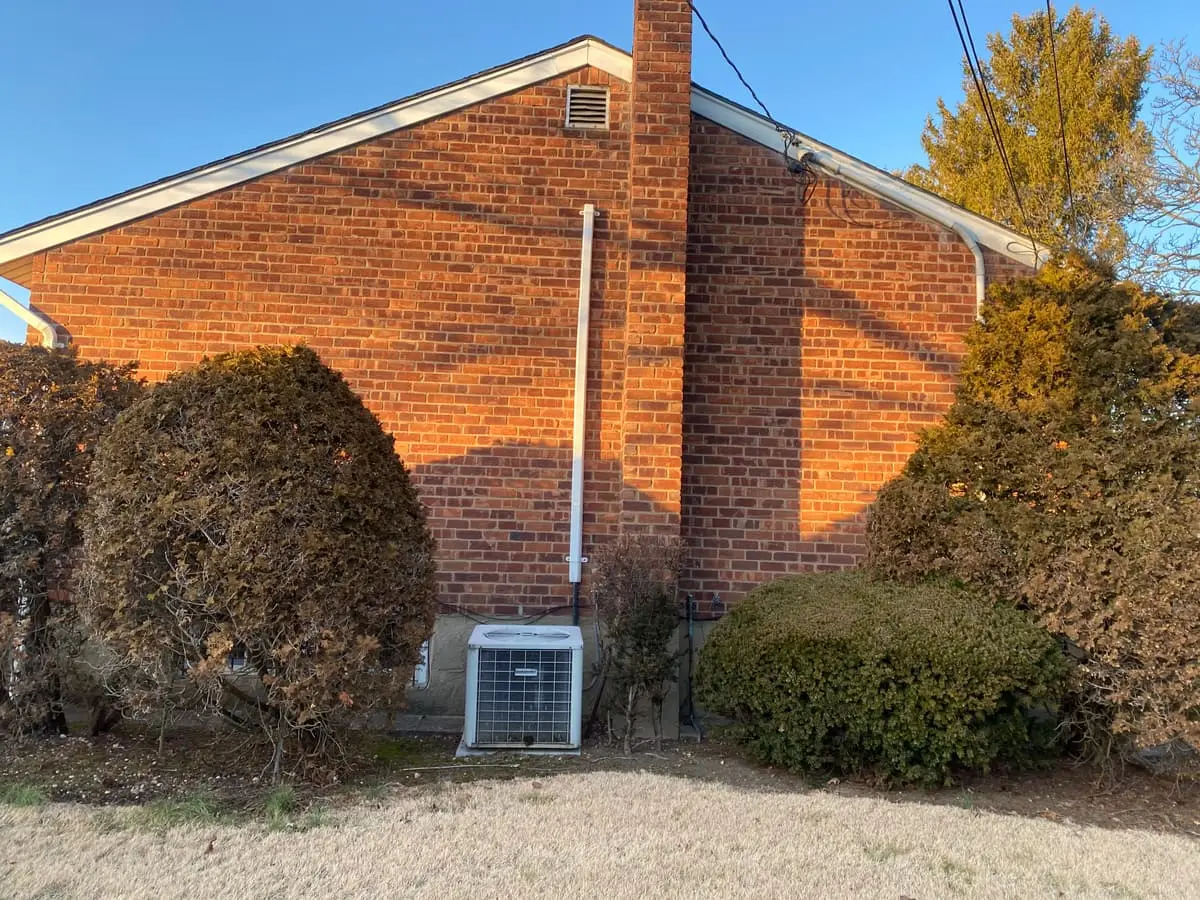
Dealing with the building department, so you do not have to
We buy condemned houses and then put them back. That means we deal with the building department, the condemnation itself, the open violations, the permits and the work, and we do it as the owner rather than asking you to clear anything first.
We have done this across Nassau and Suffolk for years and we know how these files usually get closed out. We also know the attorneys and expediters worth calling when a case needs one. Tell us what the notice says and where the Baldwin file currently stands, and we will tell you plainly what we think happens next.
The Baldwin market underneath this
The median is up 7.01% year over year as of 2026-05. A firming market gives you a little room for error on price, which is worth more than it sounds when the house is not in showable condition. A $725,000 median puts Baldwin in the band where buyers are stretching to afford the house and have nothing left for the roof. That is precisely the buyer who walks away from a property needing work, and it is why condition matters more here than the price alone suggests. The median house goes under contract in about 44 days, which is not slow - but it describes houses that were already showable on day one.
A four-bedroom on Homan Place. A four-bedroom on Village Avenue. A house on Beech Street. All of them in Baldwin, all bought by us.
What happens to a condemned property, and its violations, when we buy
There are usually two clocks running on a condemned property. One is the town's, and one is whatever brought you here in the first place, which is often money.
Selling stops both. Once we close, the condemned building is ours, the violations become our file to close out, and the accruing costs stop being yours. Your attorney should walk you through how the specific charges at your Baldwin address get handled in the contract, and ours will work with them on it.
If it is unsafe, nobody is asking you to clear it
Leave everything. Furniture, belongings, debris, whatever a former tenant left behind. Emptying a condemned house is expensive and unpleasant work, and there is no reason for you to pay for it when it is already priced into what we are doing.
If there is something inside that matters to you, say so and we will work out a safe way to get it. Beyond that, walk away from it. Clearing a condemned house is genuinely part of what we are buying.
How we arrive at a number on a condemned house
On a condemned house we start from the end: what it sells for once the work is done. From that we take away the cost of the work and a margin for the chance that we have misjudged either one. That is the whole method. Nothing is hidden in it.
- What it is worth repaired. Not the Baldwin median of $725,000 on its own, but what houses like yours on your street actually closed at recently.
- What the work costs. Roof, boiler, electric, the kitchen and bath. In Baldwin the stock is largely colonial and cape cod, and on houses that age the mechanicals are usually the expensive part rather than the cosmetics.
- How long we will hold it. The median Baldwin house goes under contract in about 44 days once it is showable, then waits 45 to 60 days more on the buyer's lender. Ours has to get to showable first, and we carry taxes and insurance across the whole of it.
- What we are wrong about. Walls and floors hide things until they come up. We price for that uncertainty, and it accounts for much of the distance between a cash offer and a retail price.
How we can pay this and still make it work
Most cash buyers skip this part. We do not. We run millions of dollars of construction a year, so we buy materials at contractor prices and keep our crews busy all year. The same renovation costs us roughly half of what you would be quoted as a homeowner.
That difference is how we make money. It is also why renovating before you sell seldom comes out ahead: you would pay retail for the roof and the boiler and then hope a buyer pays you back for them. Most of the time they do not. Our margin comes from building for less, not from buying from you for less.
If our number does not work for you, tell us. We would much rather hear it than push. We will go through your situation and give you a straight view of your options, including the ones that leave us out. A lot of people do better listing with an agent, and if you are one of them we will tell you now rather than have you find out later.
Why cash is the only realistic route for a condemned house
With a condemned house, cash is not a convenience, it is the whole mechanism. An appraiser will not sign off on a property declared unfit for occupancy, without an appraisal there is no mortgage, and without a mortgage there is no ordinary buyer.
We use our own funds, so none of that applies. No appraisal, no inspection contingency, no underwriter reviewing photographs of a condemned house and deciding against it. We look once, we give you a written number, and we close on a date you choose.
How selling a condemned house in Baldwin works
- 1
Tell us where it is
Just the address in 11510 and roughly what shape it is in. It takes a couple of minutes. Leave the house exactly as it is; we do not need it tidied, photographed or fixed.
- 2
One short visit
One of us comes by once, usually for less than half an hour. On a colonial or cape cod like most of Baldwin, what we look at closely is the roof, the boiler and the wiring, not the finishes.
- 3
You get a number in writing
Within 24 hours, as a written figure rather than a range or a "starting around". Take it to a Nassau County agent for a second opinion if you want to. On a house already in showable condition, listing may well beat us, and we would rather you knew that.
- 4
The date is up to you
Close quickly, or set a date months ahead to fit probate, a tenant or your own move. Either way there is no 89 to 104 days of a Baldwin listing looking for a buyer and waiting on a mortgage approval.
What to do next about your condemned Baldwin house
Start by getting hold of the paperwork. Your town's building department can tell you what was cited when the house was condemned and what the file currently requires, and that is the single most useful thing to have in hand before any conversation, ours included.
Then call us. Tell us what the notice says, we look at the condemned property once, and you have a written number within a day. No repairs, no cleanout, no clearing of violations, and no sign on the lawn in Baldwin.
Common questions
Will you really buy a Baldwin house that has been condemned?
Yes. Condemned property is one of the things we specifically buy. The violations, the condition and the file with the town all come to us at closing.
Do I have to clear the violations or pay the fines first?
Not before you talk to us, and usually not at all. Spending money to cure violations on a condemned house you are leaving is the wrong order. Bring us the paperwork and let us price it.
Can I still sell if I cannot get inside the house?
Yes. A condemned house is often one nobody can safely enter, and we work around that. We arrange access ourselves and respect whatever the town requires.
How long does it take to close on a condemned house?
There is no appraisal and no mortgage approval on a condemned house, so the timeline is mostly paperwork. We can also go slower if you need more time to move. The date is yours to choose.
Is a condemned house worth anything at all?
Almost always, yes. Even a condemned building that has to come down leaves the land, and land in this part of Long Island carries real value. What the property is worth turns on the lot as much as on the structure.